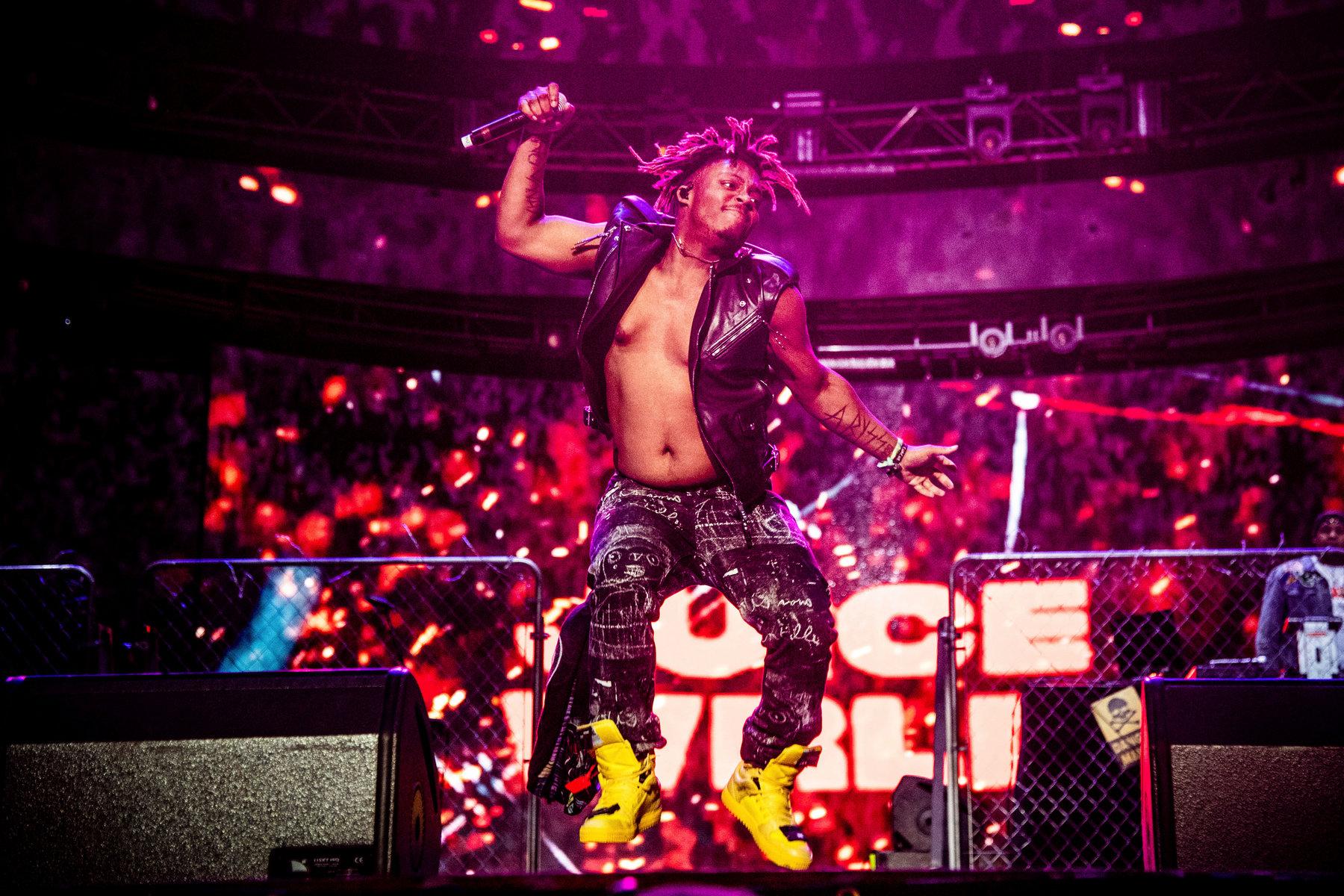
It is a weird feeling, honestly. You walk into a coffee shop or scroll through a random playlist in 2026, and there they are. Again. The melancholic guitar loops of Lil Peep and the hyper-melodic, freestyle-driven hooks of Juice WRLD haven't faded into the "SoundCloud era" history books like some critics predicted back in 2019. If anything, their influence has actually calcified into a permanent foundation for modern music.
They weren't just rappers. They were symbols of a massive shift in how young people talk about being sad.
Before them, rap was largely about bravado. Then came these two kids—Lil Peep with his face tattoos and pink hair, and Juice WRLD with his "Codeine Cobain" energy—who decided to make being vulnerable the coolest thing you could do. It changed everything. But if you’re looking at their careers from the outside, it’s easy to get the facts mixed up. People often group them together as if they were best friends or part of the same collective. They weren't. In fact, their paths were remarkably different, even if they ended up at the same tragic destination.
The Myth of the Lil Peep and Juice WRLD Collaboration
Let’s clear this up right now: Lil Peep and Juice WRLD never actually met.
I know, it feels wrong. Their fanbases overlap so much that it seems like there should be a hard drive somewhere with ten "lost" tracks they recorded in a basement in London or LA. But the timeline just doesn't work. Peep passed away in November 2017, just as Juice WRLD was beginning to bubble up on the underground scene. Juice’s massive breakout, "Lucid Dreams," didn't even hit the Billboard charts until months after Peep was gone.
Juice was a fan, though. A huge one.
When Peep died, Juice WRLD was one of the many young artists who felt the weight of that loss. He eventually recorded "Legends," a song that serves as a grim tribute to both Peep and XXXTentacion. In it, he famously rapped, "What's the 27 Club? We ain't making it past 21." It’s one of those lyrics that hits like a physical punch now, considering Juice himself died just days after his 21st birthday in 2019.
The closest we ever got to a "collab" was the posthumous remix of "Falling Down," which originally featured Peep and XXXTentacion. There have been countless fan-made mashups on YouTube and TikTok that sound surprisingly professional, leading many casual listeners to think real collaborations exist. They don't. Everything you hear where they are "together" is a product of clever editing or estate-managed engineering.
Why the "Emo Rap" Label Sorta Fails Them
People love labels. It makes things easy to categorize on Spotify. "Emo Rap" became the bucket everyone threw them into, but it’s a bit of a lazy description.
Lil Peep was basically a rockstar who used trap drums. He was sampling Brand New, Underoath, and The Microphones. His music was grainy, lo-fi, and felt like it was recorded through a layer of cigarette smoke. He was pulling from the 2000s "mall emo" aesthetic and blending it with the drug-heavy nihilism of the 2010s.
Juice WRLD was a different beast entirely.
The kid was a generational talent when it came to freestyling. He could go for an hour straight on Tim Westwood TV without breaking a sweat. His music was "emo" in its themes—heartbreak, anxiety, pill-popping—but his technical skill was pure hip-hop. He grew up listening to Fall Out Boy and Billy Idol, sure, but he also had the lyrical dexterity of a battle rapper.
The Ethics of the "Ghost" Discography
By 2026, the conversation around posthumous albums has become pretty heated. We’ve seen it with everyone, but the estates of Lil Peep and Juice WRLD have handled things very differently.
Peep’s mother, Liza Womack, has been incredibly protective of his legacy. She fought legal battles to regain control of his music and has focused on releasing things exactly as Gustav (Peep's real name) intended. It feels more organic. More respectful.
Juice WRLD’s estate has been a bit more controversial.
Because Juice was a workaholic who reportedly had thousands of unreleased songs in the vault, the label has been able to keep dropping "new" music for years. Legends Never Die was a massive success, but as the years go by, some fans feel like the soul is being squeezed out of the music. When you have producers finishing tracks that the artist might have just been "vibe-testing," you run the risk of diluting what made them special in the first place.
It raises a tough question: When does a tribute become a product?
The Visual Impact: More Than Just Music
You can’t talk about these two without talking about how they looked.
- Lil Peep’s Aesthetic: He pioneered the "e-boy" look before it had a name. The "Crybaby" face tattoo, the mismatched vintage gear, the gender-fluid fashion choices. He made it okay for rappers to look like they belonged at a Warped Tour set.
- Juice WRLD’s Style: He was more of a "streetwear maximalist." He wore the high-end brands but made them look lived-in and messy. He represented the kid who has a million dollars but still feels like an outsider.
In 2026, you see their influence in every "alt" kid on social media. The dyed hair, the layered chains, the willingness to mix high-fashion with thrift store finds—it all traces back to the visual language these guys built.
What Most People Get Wrong About the "Drug Talk"
Critics used to slam Peep and Juice for "glorifying" drug use. That’s a massive oversimplification.
If you actually listen to the lyrics, it sounds less like a party and more like a cry for help. Juice WRLD was incredibly open about his addiction to lean and Percocet, often describing it as a cage rather than a choice. Peep’s music dealt with the same grim reality—using substances to numb a level of depression that felt terminal.
They weren't telling kids to go out and do drugs. They were mirrors for a generation that was already doing them. They provided a soundtrack for the isolation that comes with addiction.
Sadly, the "Codeine Cobain" prophecy came true for both. Peep died from a fentanyl-laced Xanax overdose, and Juice died from an accidental overdose of oxycodone and codeine. Their deaths served as a horrific wake-up call for the industry, leading to more discussions about mental health and substance abuse support for young artists. Whether the industry actually changed is debatable, but the conversation started because of them.
Real-World Influence in 2026
You see their fingerprints on artists like The Kid LAROI, 24kGoldn, and even mainstream pop stars who have adopted the "sad-boy" melodic template. The barrier between "Alternative" and "Hip-Hop" is basically gone now. That’s their doing.
If you want to understand why they still matter, look at the comment sections of their old music videos. You’ll find thousands of people—some who weren't even old enough to listen to them when they were alive—talking about how a specific song helped them get through a breakup or a dark mental health patch.
That kind of connection isn't manufactured by a label. It’s real.
Moving Forward: How to Engage with Their Legacy
If you’re a new fan or someone trying to understand the hype years later, don't just stick to the "Big Hits" on Spotify.
Go to SoundCloud. Listen to the early mixtapes like Hellboy or Lil Peep Part One. Listen to the raw Juice WRLD sessions where he’s just figuring out a melody. That’s where the magic is.
Support the official estates, but also look for the stories told by the people who actually knew them—the producers like Smokeasac or the videographers like Cole Bennett. They provide the context that a corporate press release never could.
Most importantly, take the "message" to heart. Their music was a warning as much as it was art. Vulnerability is a strength, but the demons they fought were real and they were dangerous.
Next Steps for Fans:
- Check out the Everybody's Everything documentary for a raw look at Peep's life.
- Watch the Into the Abyss documentary on HBO for the most honest portrayal of Juice WRLD's final months.
- Support mental health organizations like Live Free 999, which was started by Juice WRLD’s mother, Carmela Wallace, to support young people struggling with addiction and mental health.
The music is still here. The artists are gone, but the "Legends Never Die" mantra turned out to be more than just a marketing slogan. It’s the truth.