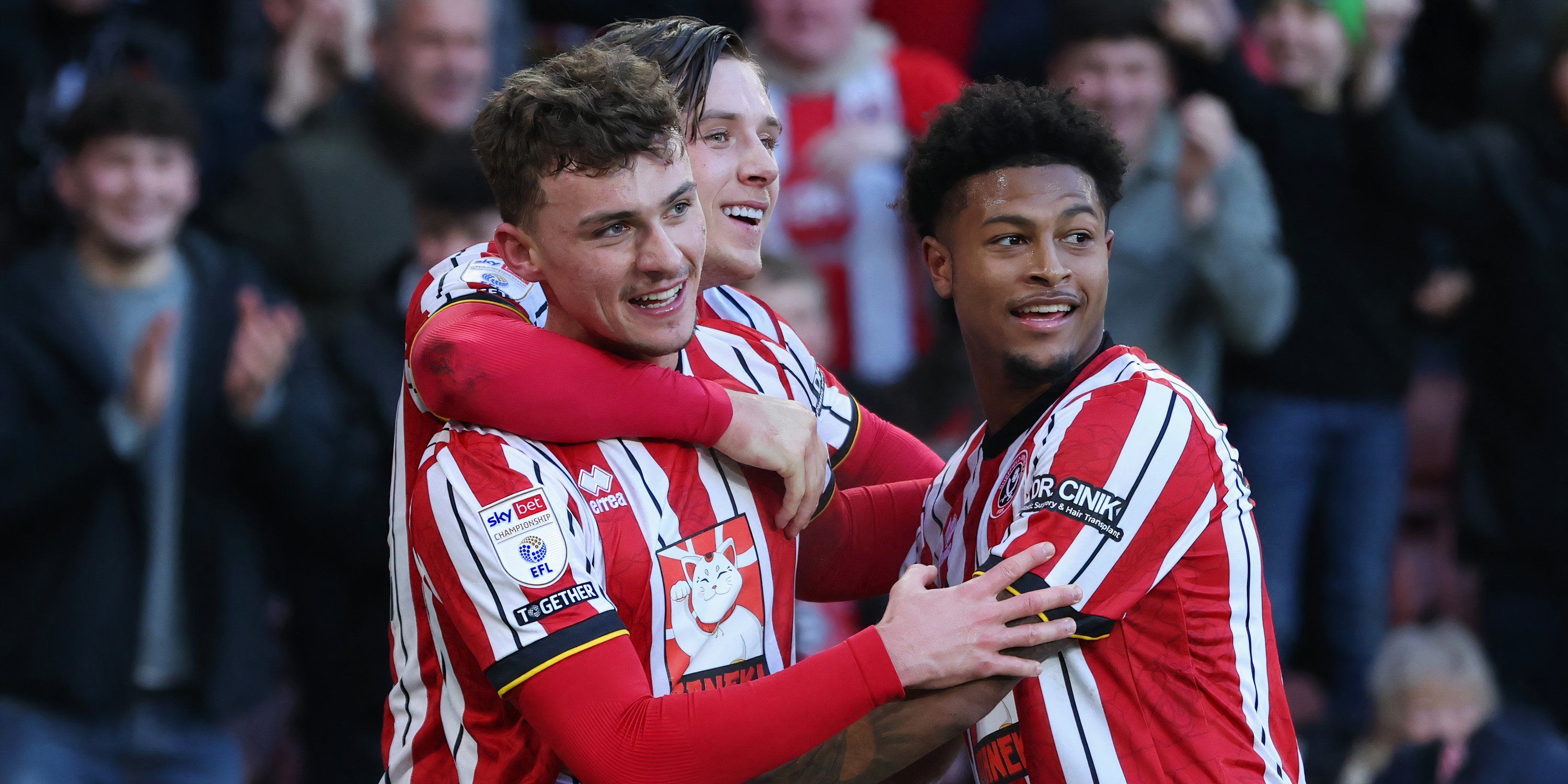
Football isn't just about the table. It's about the feeling in the gut when the whistle blows and you realize two styles are about to collide in a way that makes everything else feel quiet. When Ipswich vs Sheffield United kicks off, you aren't just watching a match. You're watching two clubs that have spent the last few years reinventing what it means to be a "traditional" English side. Honestly, if you expect a boring 0-0 slog, you haven't been paying attention to how Kieran McKenna or Chris Wilder actually set their teams up.
It's a clash of identities. Portman Road will be loud. The atmosphere in Suffolk has transformed over the last 24 months from one of weary resignation to a genuine, pulsing belief. On the other side, the Blades arrive with that Sheffield steel—a gritty, overlapping-center-back legacy that refuses to die, even as the personnel changes. This is the kind of game that defines a season's trajectory.
The Tactical Chess Match: McKenna’s Build-up vs. Wilder’s Grit
Kieran McKenna is a bit of a wizard. Let’s be real. The way he’s taken Ipswich Town from the depths of League One into the bright lights of the top flight is nothing short of a coaching masterclass. His system is fluid. It’s built on rotations that make defenders dizzy. You’ll see a left-back suddenly appearing in the number 10 pocket while a winger hugs the touchline to stretch the play. It’s high-risk, high-reward stuff.
Sheffield United, meanwhile, are built on something different. Chris Wilder’s return to the club brought back that familiar sense of "we will outwork you." They don't just sit back. They hunt.
- The Ipswich press starts from the front with relentless energy.
- Sheffield United looks to exploit the space behind the full-backs during transitions.
- Midfield control is where this game is won or lost. Sam Morsy is the heartbeat for Ipswich, a player who understands exactly when to break up play and when to recycle possession.
- For the Blades, the delivery from wide areas remains their most potent weapon.
If Ipswich can’t stop the crosses, it’s going to be a long afternoon for them. If Sheffield United can’t handle the intricate passing lanes Ipswich creates in the final third, they’ll be chasing shadows for ninety minutes.
Why the History Between These Two Actually Matters
You can’t talk about Ipswich vs Sheffield United without acknowledging the historical weight. These are two "proper" clubs. They’ve both tasted top-flight glory and the bitterness of the lower leagues. There’s a mutual respect there, but also a desperate need to prove who belongs at the top of the pyramid.
When you look back at their previous encounters, they rarely disappoint. There was that 1-1 draw back in 2019 that felt like a heavyweight boxing match where neither side would go down. Or the various cup ties that have seen late drama. It’s a fixture that breeds tension.
The fans know it too.
Key Individual Battles to Watch
Let’s look at the actual people on the pitch. In games like this, a single mistake or a moment of individual brilliance usually settles the score.
Leif Davis vs. The Blades' Right Side
Davis is arguably one of the best attacking full-backs outside the "Big Six." His delivery is world-class. If Sheffield United allow him time to measure his crosses, it’s game over. They have to pin him back. They have to make him defend, which isn't always his favorite thing to do.
The Midfield Scrap
Expect a lot of yellow cards. Or at least a lot of "strong" challenges. The battle for the "second ball" will be constant. Sheffield United thrives on winning those scrappy headers and turning them into counter-attacks. Ipswich prefers a more controlled approach, but they’ve shown they can get stuck in when the game turns into a dogfight.
The physical presence of the Sheffield United strikers will be a massive test for the Ipswich center-backs. It's a classic case of finesse versus force.
Misconceptions About This Matchup
A lot of people think Sheffield United is just a "long ball" team. That’s lazy analysis. Under Wilder, they use the width of the pitch better than almost anyone. They use "overloading" tactics that confuse zonal marking systems.
Similarly, some think Ipswich is "too soft" for the physical side of the game. Watch five minutes of Sam Morsy playing and you’ll realize that’s nonsense. They are tough. They have to be.
What the Stats Tell Us (And What They Don't)
Stats are great, but they don't capture the wind howling off the North Sea or the pressure of a 30,000-strong crowd.
- Possession: Ipswich usually dominates the ball at home, often seeing 60% or more.
- Expected Goals (xG): Both teams tend to overperform their xG because they create high-quality chances rather than just volume shooting.
- Set Pieces: This is where Sheffield United often finds their edge. Their organization on corners is top-tier.
But football isn't played on a spreadsheet. It's played on grass. It's about who handles the nerves.
Portman Road: The 12th Man Factor
There is something special happening at Ipswich. The "McKenna Revolution" has unified the town. You see blue shirts everywhere. On match day, the walk from the train station to the stadium feels like a pilgrimage. That energy translates to the players. They play faster at home. They take more risks.
Sheffield United is used to hostile environments—Bramall Lane is no library—but the specific "wall of sound" at Portman Road can be rattling for a team that relies on defensive composure.
Actionable Insights for the Match
If you're watching this game or following it closely, keep an eye on these specific triggers. They will tell you exactly how the result is going to swing before the goals even happen.
- Watch the first 15 minutes: Ipswich almost always tries to "score in the tunnel." They start at 100mph. If Sheffield United weathers that storm without conceding, the game settles into their favor.
- Track the movement of Ipswich’s #10: If he’s finding space between the lines, the Blades' back three will have to step out, leaving gaps for runners.
- The substitutions: Both managers are proactive. McKenna often makes triple subs at the 60-minute mark to keep the energy high. If the Blades haven't prepared for that fresh injection of pace, they will crumble late in the game.
Check the team sheets for any late injuries to key creative players. In a match this tight, the absence of a primary playmaker isn't just a loss of talent; it's a loss of the entire tactical plan.
The most important thing to remember about Ipswich vs Sheffield United is that both teams believe they are the "bigger" club in this scenario. That arrogance, that pride, makes for incredible television. It’s not just about three points; it’s about a statement of intent. Expect a high-intensity affair where the tactical nuances are just as exciting as the goals themselves.
Make sure to monitor the tactical shifts during the second half. If one team drops into a low block, it's a sign they've lost confidence in their ability to track the other's movement. That’s usually when the breakthrough happens. Pay attention to the wing-back battles, as the space vacated behind them is often the most dangerous zone on the pitch. Watching how the coaches react to the in-game momentum shifts will give you the best insight into who will eventually come out on top.