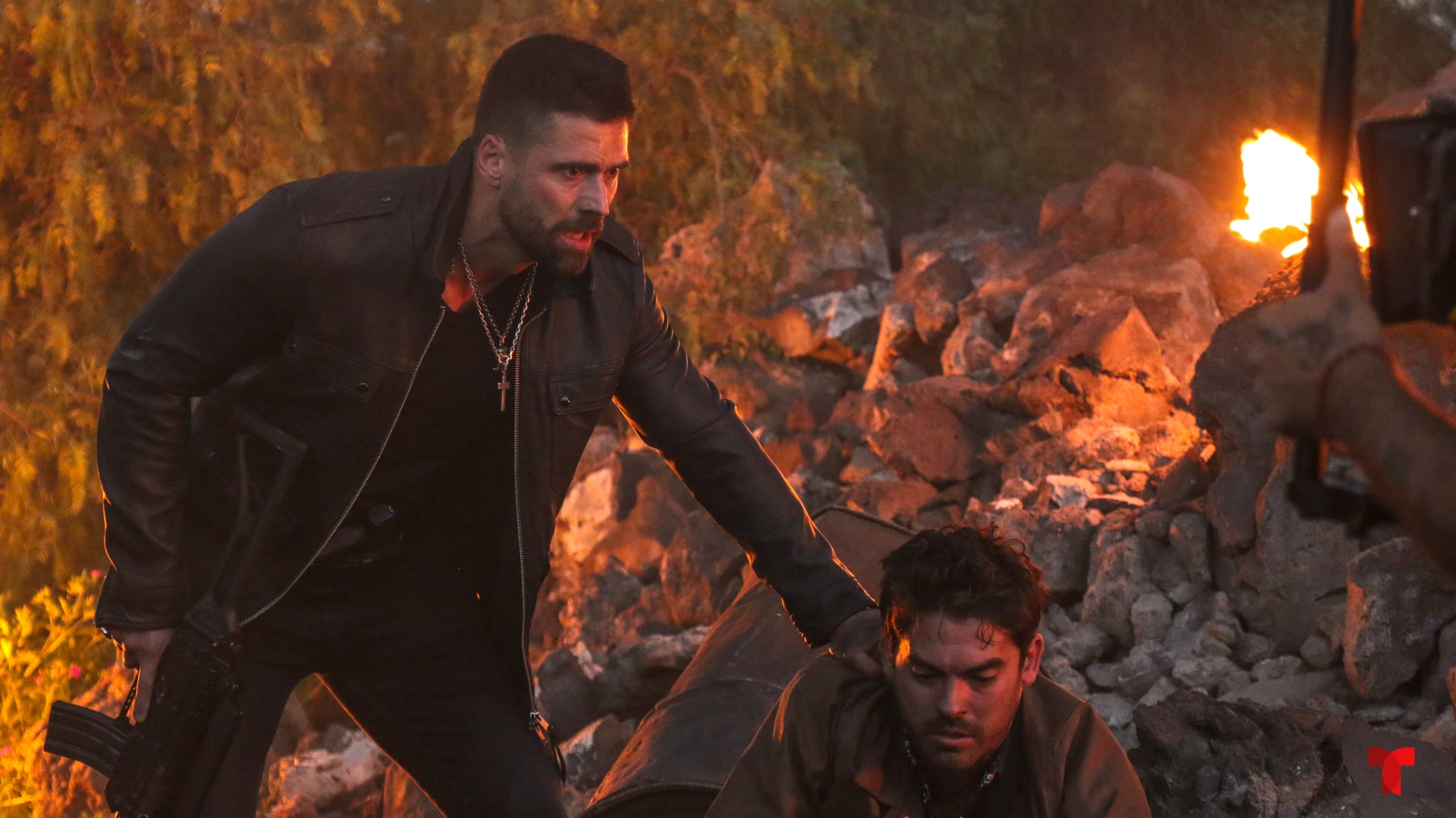
Honestly, the TV landscape shifted back in 2019 when Telemundo dropped the seventh season of its flagship narco-drama. It wasn't just another batch of episodes. It was a massive, risky gamble that left millions of fans across the Americas feeling a mix of betrayal and shock. People were genuinely pissed. If you were watching El Señor de los Cielos season 7 as it aired, you know exactly what I’m talking about—the moment the legend himself, Aurelio Casillas, met his definitive end.
For years, Rafael Amaya was the face of the franchise. He wasn't just an actor playing a role; he was the show. So, when the seventh season kicked off with his character in a coma following the events of the previous finale, the tension was through the roof. Most of us expected a miraculous recovery. We’ve seen Aurelio survive everything from DEA raids to internal betrayals. But the writers had a different plan. By the second episode of the season, the unthinkable happened. Aurelio Casillas died.
The fallout was immediate. Social media exploded. Ratings dipped. It felt like watching The Sopranos if Tony had died in the first five minutes of a season. Telemundo had to pivot, and they had to do it fast.
Why the Death of Aurelio Casillas Changed Everything
You can't talk about El Señor de los Cielos season 7 without diving into the "why." Why kill off the golden goose? Behind the scenes, Rafael Amaya was dealing with significant personal health struggles. He’s been very open about this in later interviews with People en Español, detailing his battle with addiction and the need to step away from the spotlight to find himself again. The production was stuck between a rock and a hard place. They had a massive crew and a hungry audience, but their lead man was unavailable for a full filming schedule.
So, they pivoted to the Casillas clan.
The season shifted its weight onto the shoulders of Amado "El Águila Azul" Casillas, played by Matías Novoa. Amado had to step up to protect the family legacy from a barrage of enemies, most notably the Cabo. It was a bold move. It turned the show from a "one-man-army" narrative into more of an ensemble piece about a dynasty trying to keep its head above water while the sharks circled.
The Cabo Factor and the Power Vacuum
Robinson Díaz, who plays El Cabo, really leaned into his role as the primary antagonist this season. With Aurelio out of the way, the power dynamic in the drug world was completely upended. It wasn't just about moving product anymore; it was a scorched-earth vendetta. Cabo wanted to erase every trace of the Casillas name. This created a much darker, more desperate tone for the season.
We saw characters like Rutila (Carmen Aub) and Ismael (Iván Arana) having to grow up fast. Rutila, specifically, moved from being the rebellious daughter to a central pillar of the family's survival strategy. It was a necessary evolution, but for long-time fans, it felt bittersweet. You’re rooting for them, sure, but the ghost of Aurelio looms over every single scene. Literally. The show used flashbacks and dream sequences to keep Amaya’s presence felt, even if he wasn't there in the flesh.
Breaking Down the Plot: A Family Under Siege
The season starts with a desperate attempt to wake Aurelio up. The family brings in a specialized doctor, and there's this high-stakes surgery. It’s a classic telenovela trope—the miracle cure. Except, the "cure" fails. When the heart monitor flatlines, the reality of El Señor de los Cielos season 7 sets in.
What follows is a chaotic scramble. The Casillas family is being hunted by the DEA, the Mexican authorities, and Cabo’s hitmen all at once. They flee to Greece, they hide in safe houses, and they try to consolidate what’s left of their empire.
- The Greece Arc: This was a visual departure for the show. Moving the action to Europe provided some stunning backdrops, but it also emphasized how far the family had been pushed. They were literally on the run, far from the familiar deserts of Northern Mexico.
- Amado's Leadership: Amado is a different kind of lead. He’s more calculated, perhaps a bit more "military" than Aurelio’s raw, impulsive power. His chemistry with the rest of the cast was tested heavily here.
- The Return of Old Enemies: The season didn't pull punches with its cameos and returning threats. It felt like a "greatest hits" of everyone who ever had a grudge against the Casillas family.
The pacing was frantic. Some critics argued it was too fast, while others felt the show was finally forced to innovate because it couldn't rely on Aurelio’s charisma to carry thin scripts. Personally, I think it was a bit of both. You can feel the writers trying to reinvent the wheel mid-spin.
The Fans’ Reaction: Was It a Success?
If we look at the numbers, El Señor de los Cielos season 7 performed well, but it faced a steep uphill battle. The "No Aurelio, No Watch" movement was real. Thousands of fans signed petitions and boycotted the show. It was a masterclass in how much a single character can define a brand.
However, the season did succeed in one major way: it proved the brand was bigger than one person. By the time the finale rolled around—which was another massive cliffhanger involving a mass poisoning at a funeral—the show had reclaimed a chunk of its audience. People stayed because they wanted to see the Casillas family win, or perhaps they just wanted to see Cabo finally get what was coming to him.
It’s also worth noting the technical side. The production value remained high. The action sequences in season 7 were some of the most ambitious in the series' history. We’re talking full-scale urban warfare, sophisticated drone surveillance plots, and high-seas chases. Telemundo clearly poured money into this to compensate for the loss of their lead star.
Looking Back at the "Ending"
The finale of season 7 is notorious. The Casillas family is gathered to bury their own, and Cabo orchestrates a biological attack. They’re sprayed with a toxic substance, and we see the main characters gasping for air as the screen cuts to black. It was a brutal way to end a season that was already defined by loss. For a long time, fans didn't even know if there would be a Season 8. The show went on a long hiatus, fueled by rumors about Amaya's health and the show's future.
We know now that the story didn't end there, but at the time, season 7 felt like a potential series finale—a dark, tragic "Hamlet" style ending where everyone dies.
Facts vs. Fiction: What You Need to Know
There are a few misconceptions about this season that still circulate in forums and fan groups. Let's clear some of that up.
- Was Rafael Amaya fired? No. Despite the rumors, the network kept the door open. His "death" in the show was a narrative necessity because he couldn't film, but it was structured in a way that left the door ajar for the "impossible return" we eventually saw in later seasons.
- Did the ratings crash? They dipped, but they didn't bottom out. It remained one of the most-watched Spanish-language programs in its time slot.
- Was it filmed in Mexico? Mostly, but the production moved to various locations including the United States and parts of Europe to give it that "international fugitive" feel.
The season is a study in crisis management. Most shows would have folded. This one doubled down on its supporting cast and hoped for the best.
How to Watch and What to Expect
If you’re diving into El Señor de los Cielos season 7 for the first time, or maybe rewatching it before catching up on the newer stuff, you need to go in with a different mindset. Don’t look for Aurelio Casillas. Look for the story of a family that is falling apart. It’s a darker, more somber experience than the swaggering high-flying days of seasons 1 through 3.
Actionable Insights for Viewers:
- Pay attention to Amado: He becomes the bridge to the future of the series. His backstory with the CIA and his specific skill set change how the "business" is handled.
- Watch the background players: Characters like Corina Saldaña become much more pivotal here. The political maneuvering is just as important as the gunfights.
- Prepare for the cliffhanger: Seriously, the end of this season is one of the most frustrating and intense moments in Latin TV history. Don't expect closure. Expect a mess.
The reality is that season 7 was a transition. It was the bridge between the "Aurelio Era" and the modern era of the show. It’s gritty, it’s often depressing, and it’s arguably the most controversial season of any narco-series ever made. But it’s essential viewing if you want to understand the resilience of the Casillas family and the sheer scale of the world the creators built.
To get the most out of your viewing experience, I'd suggest watching the final three episodes of Season 6 immediately before starting Season 7. The continuity is very tight, and you'll need that context to understand the frantic energy of the first few episodes. Also, keep an eye on the character of Diana Ahumada; her arc is one of the more underrated parts of this specific year, providing a grounded perspective amidst all the high-level drug war chaos.